Overground

Version 23 continues our mission to release reliable solutions that have the flexibility to be applied to diverse applications. This, combined with our unique singular environment, puts the power of innovation in the hands of our clients.
Pushover analysis
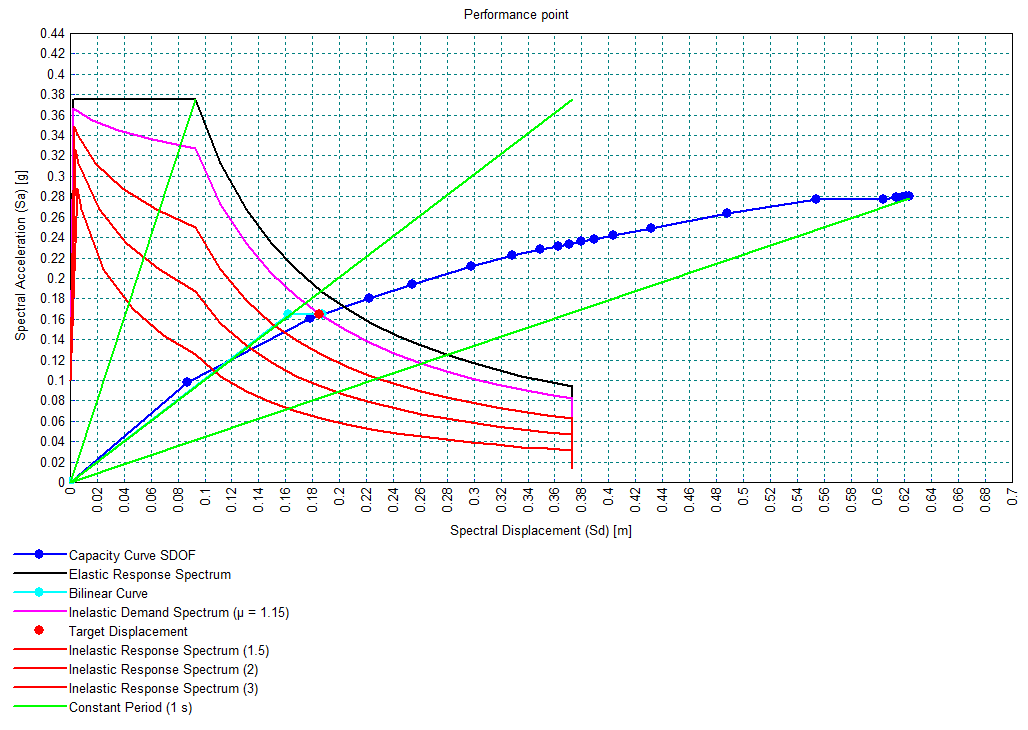
- Our new Pushover Analysis tool automatically generates the pushover curve, allowing rapid assessment of structural ductility in accordance with your selected Code of Practice.
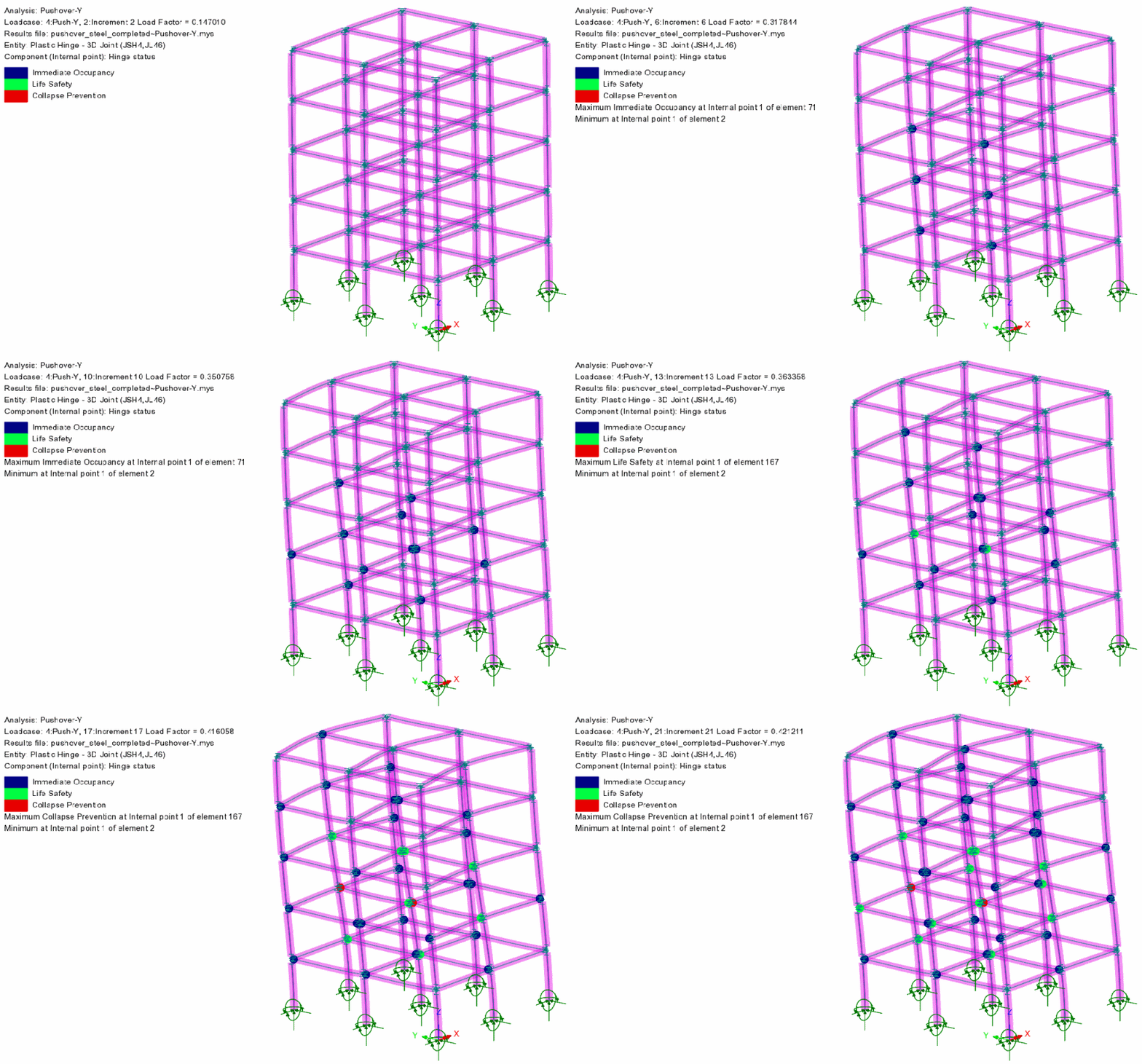
- Define and assign potential hinge locations in your model, apply gradual lateral loading, and visualise hinge status contours across Immediate Occupancy, Life Safety, and Collapse Prevention performance levels. Examine force–deformation behaviour for specific hinges — all within a single, integrated environment.
Enhanced plastic hinge capabilities
Our plastic hinge library offers precision and flexibility.
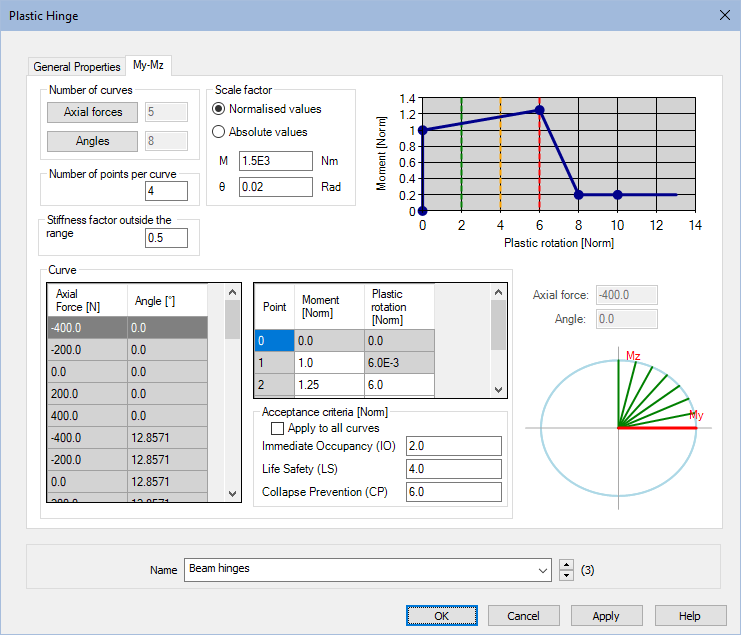
- Define moment–rotation curves using any number of data points.
- For steel sections, these curves are generated automatically.
- For other materials, such as reinforced concrete, you can manually input the moment–rotation data.
Whether your focus is steel or concrete design, you’ll benefit from a refined hinge modelling workflow that supports accurate nonlinear analysis and clear performance visualisation.
Visualise and inspect hinge behaviour
Document your analysis with colour-coded contour plots of plastic hinge status. Instantly review hinge performance across Immediate Occupancy, Life Safety, and Collapse Prevention states to evaluate overall structural behaviour at a glance.
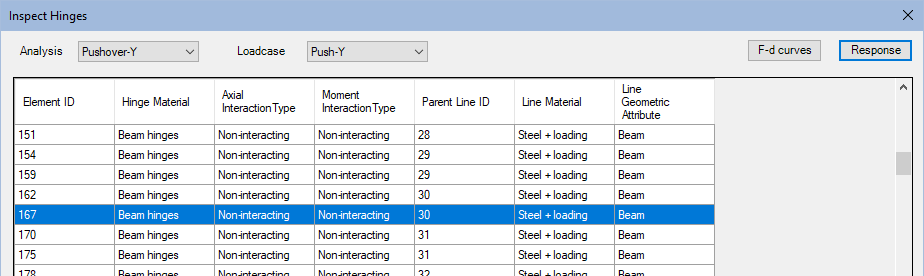
- View and edit hinge definitions directly within the model.
- Explore true moment-rotation curves with absolute values.
- Review hinge response for specific analyses and load cases when results are available.
Advanced modelling of fibre reinforced concrete (FRC)
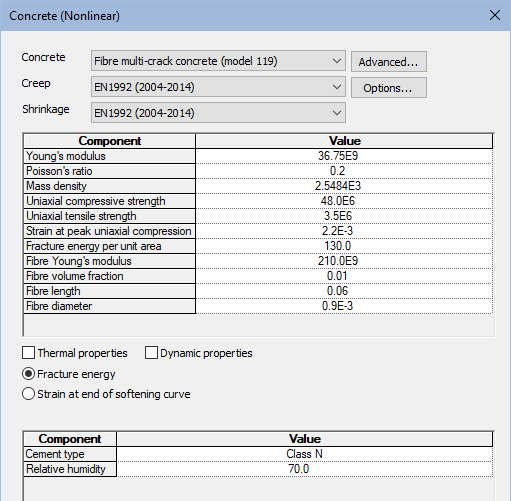
With the growing use of FRC in infrastructure, use this new material model to gain improvements in durability, strength, and crack resistance of structural members. *
Our advanced plastic-damage-contact formulation captures the true behaviour of fibre-reinforced concrete. Evaluate cracking, creep, shrinkage and crushing in one model. Model behaviour in full 4D, as deformations, stresses and cracks develop with time. Use to assess curing of FRC components from casting to old age by combining with our hygro-thermal facility.
We’ve tested the material model rigorously with academic research and industry benchmarks.
See how it's done...
Smarter control of reinforcement arrangements in RC slabs and walls
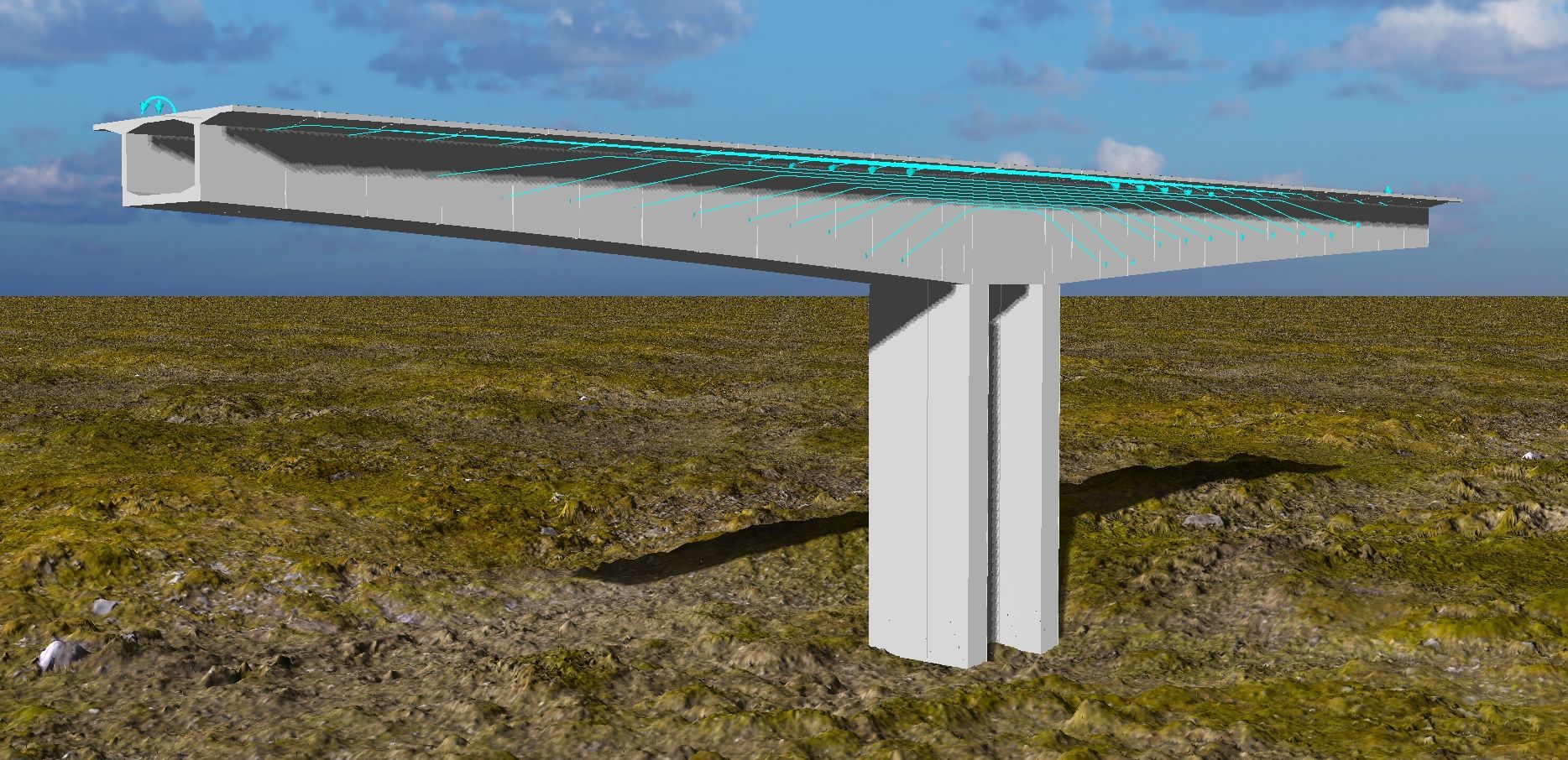
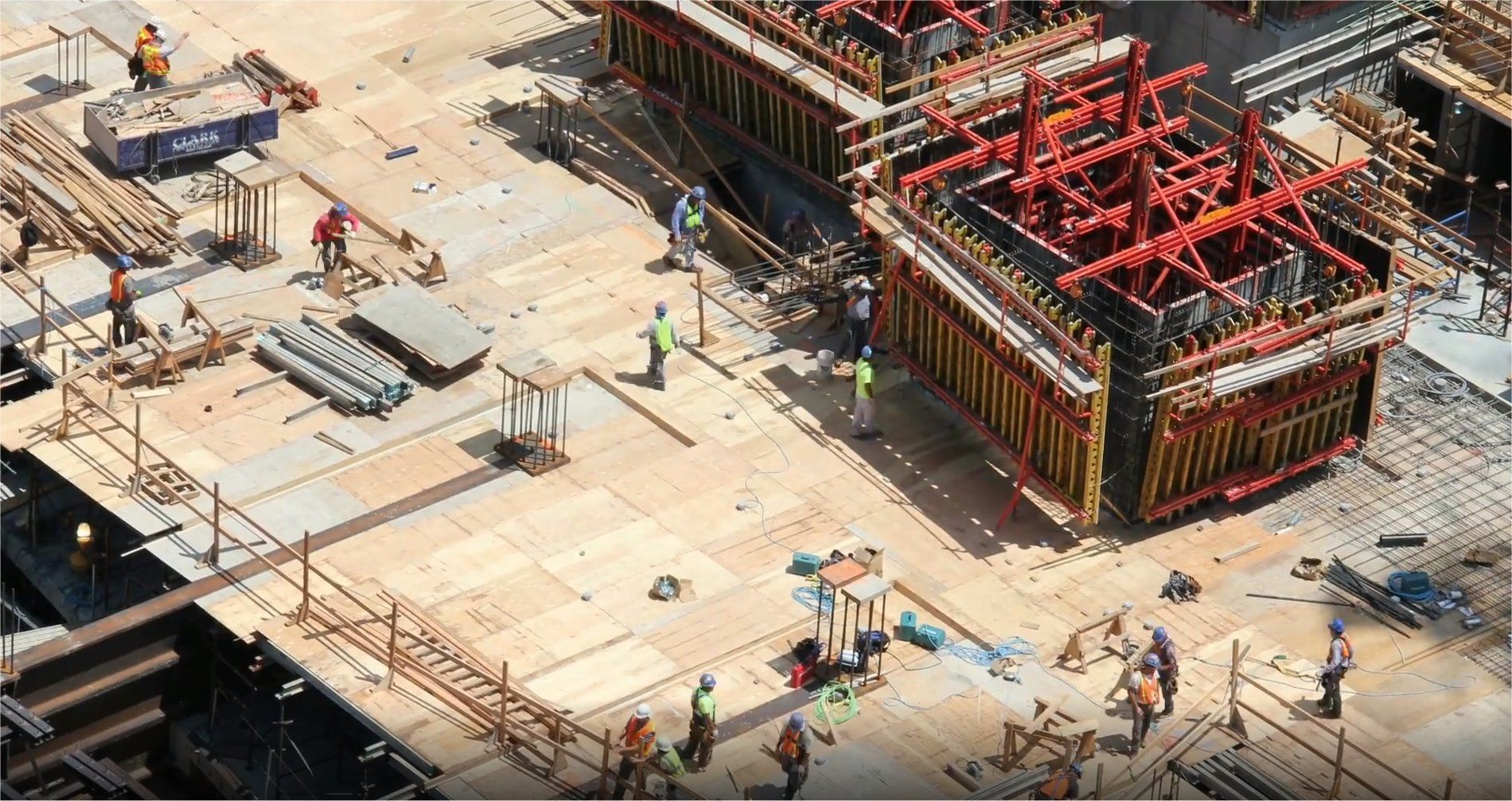
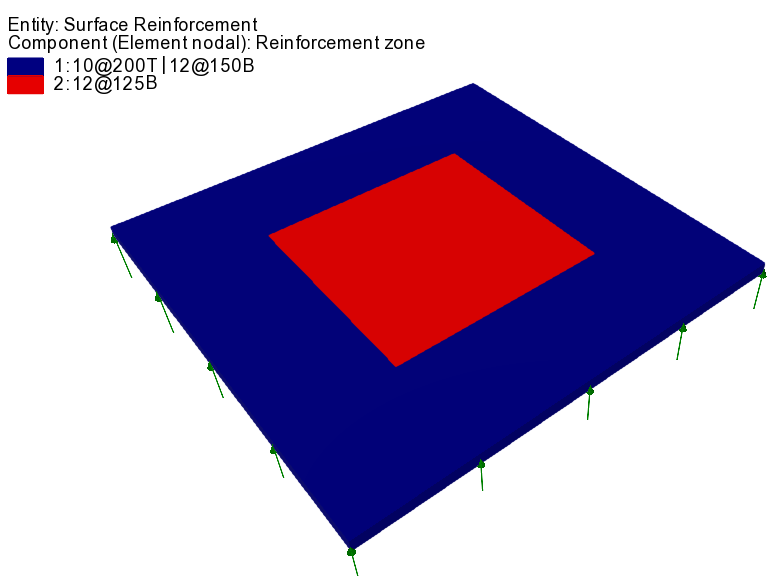
We’ve made defining and managing reinforcement in slabs and walls easier with the new Surface Reinforcement attribute. Use it to specify bar sizes, spacings, and orientations in either Cartesian or radial coordinates. For complex layouts or varying reinforcement requirements, take advantage of the new zone feature to define where different bar arrangements start and stop.
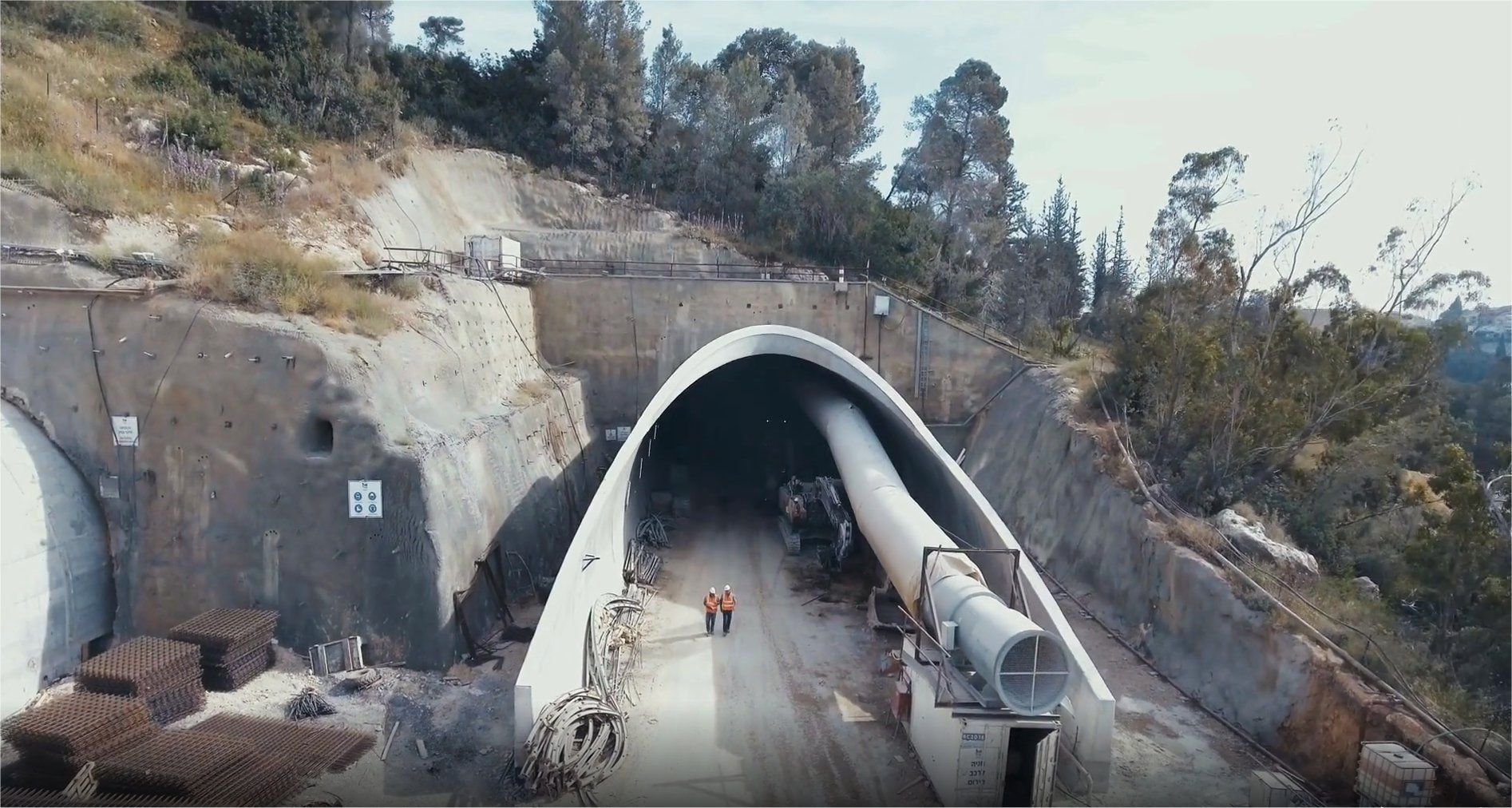
The RC Slab/Wall Designer continues to offer broad applicability and international code support. Use it for slabs, walls, bridge decks, abutments, retaining walls, tunnel linings, culverts, tanks, and more. Access detailed design calculations with clause references and pass/fail criteria in accordance with European, US, Indian, Chinese, and other design codes. Create RC design reports individually or include them within comprehensive project documentation.
Enhanced mixed material modelling
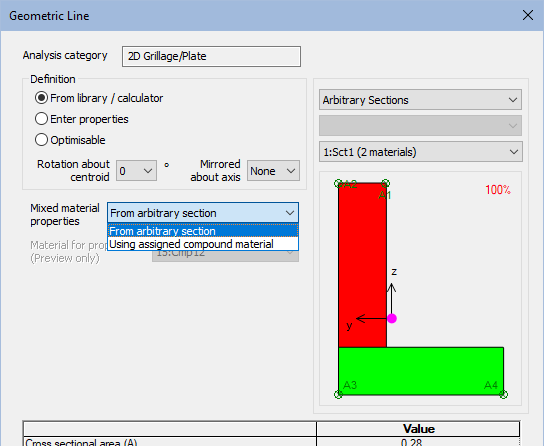
Take your section analysis to the next level with enhanced Mixed Material Modelling. For arbitrary sections, section properties can now be automatically calculated at tabulation time using the Arbitrary Section Material Attribute, seamlessly combining material and geometric data.
When working with multiple materials, you can easily update section properties to reflect in-construction or in-service conditions — without the hassle of redefining sections or recalculating properties for every material combination.
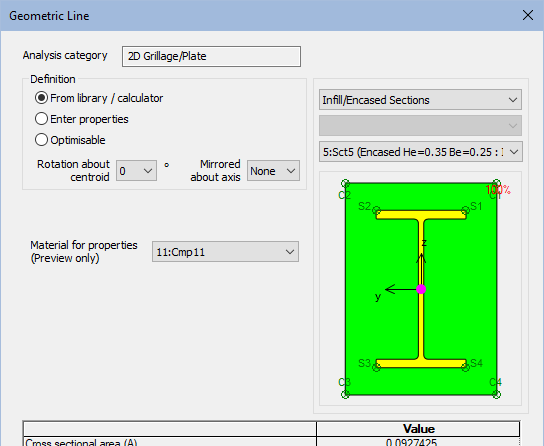
For Infill and Encased Sections, material assignment has also been streamlined. Each element and loadcase now uses the compound material directly from the material assignment, rather than relying on the geometric attribute — ensuring consistency with Bridge Deck (Grillage) materials.
Enhanced load visualisation for greater clarity and control
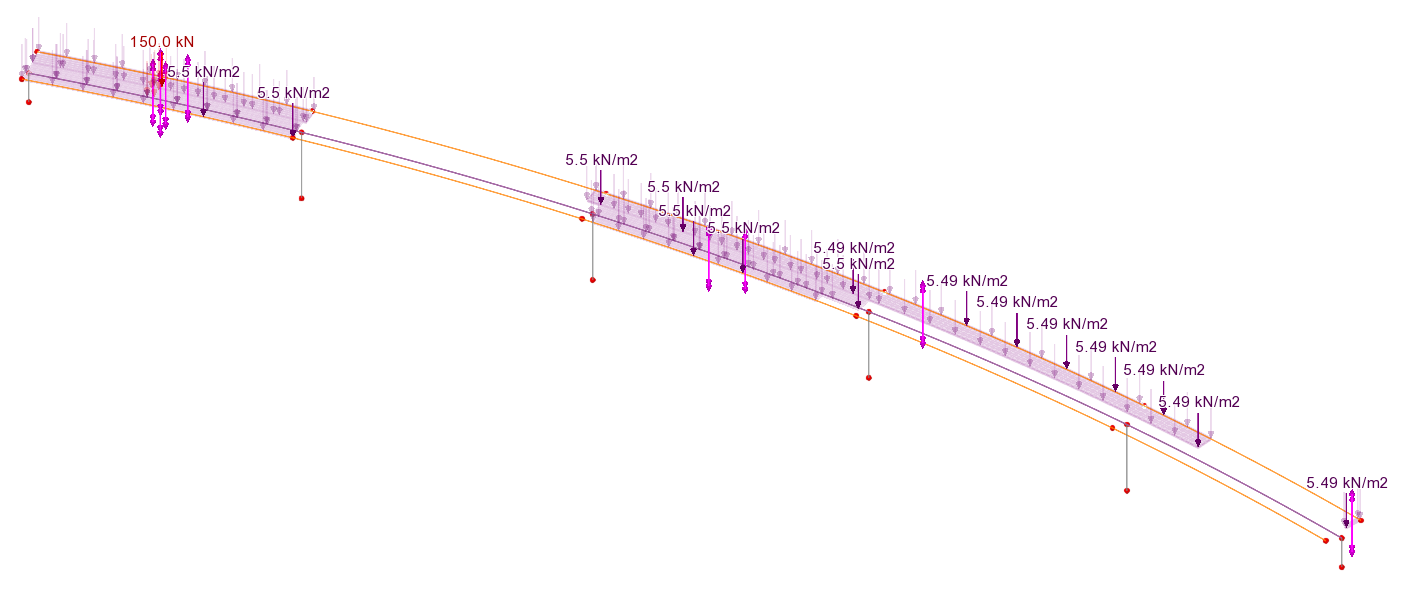
Experience a new level of insight with our improved load visualisation tools. Loading can now be displayed by its direct effect on the model or by defined parameters, giving you a precise view of how every load is applied. This is especially powerful when working with discrete loads — instantly see where loads interact with search areas and where missed regions remain unaffected.
Loading values are now displayed alongside intuitive arrows, ensuring instant comprehension. To keep your workspace clear, overlapping labels are intelligently managed — only the most significant values remain visible, while secondary or lower-magnitude labels become transparent for a cleaner, more readable display. As you zoom in, hidden labels and arrows reappear, revealing full detail exactly when you need it.
Each load is now clearly labelled with magnitude and units, making it effortless to verify applied loads and distinguish between different types such as force and pressure.
See how it's done...
Vehicle Load Optimisation now supports EN1991-2 LM2 loading
- Group 1b is now available on the Vehicle Load Optimisation Optional Code Settings dialog for Load Model 2. This is for local verifications ("short structural members" to EN1991-2 clause 4.3.1(2)(b)). ψ and beta adjustment factors can be modified using the Advanced options button.
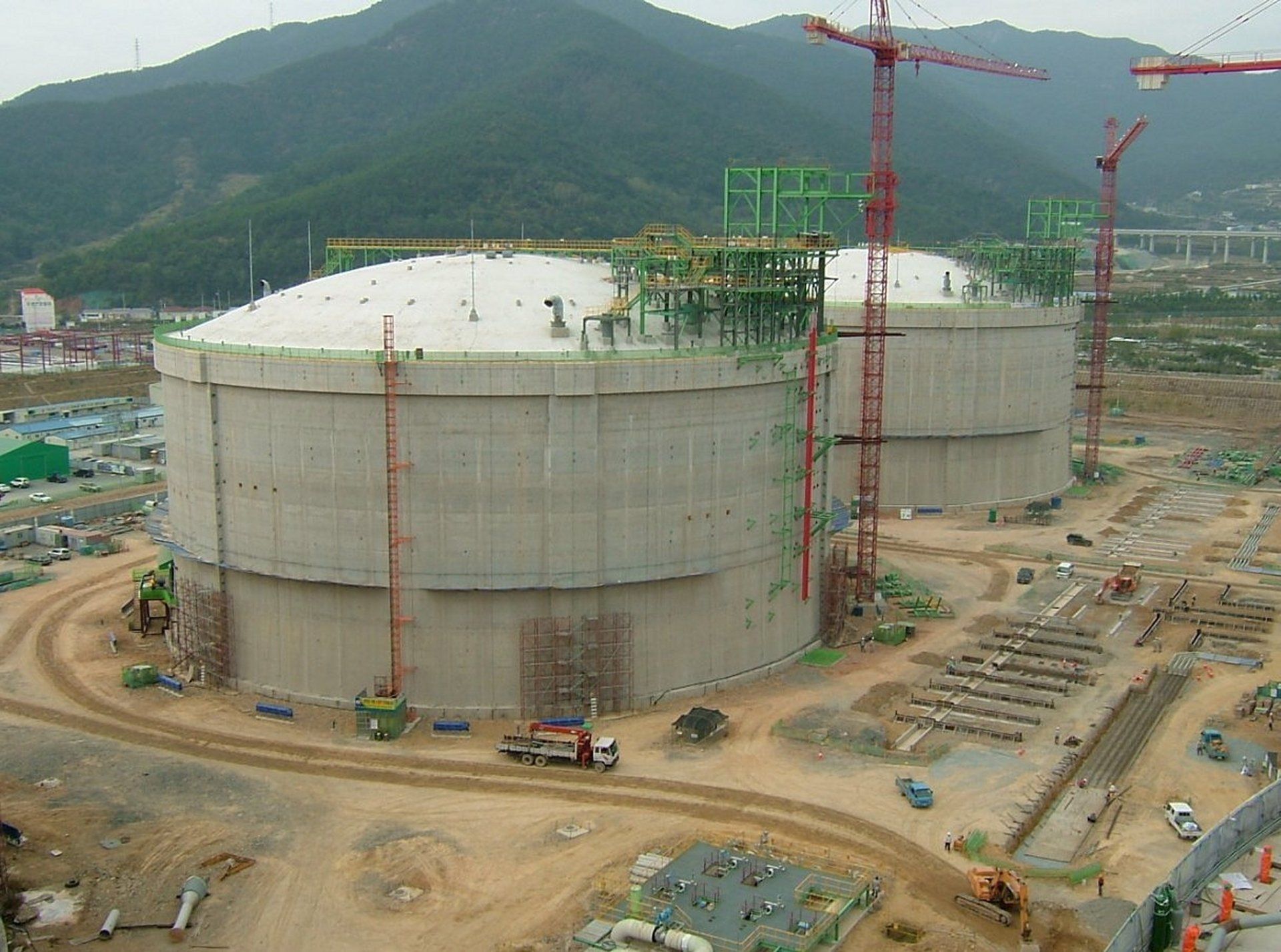
Smarter storage tank modelling
Experience a new level of precision and flexibility with the latest LUSAS Tank Updates, designed to make your structural and seismic analysis faster, clearer, and more powerful than ever.
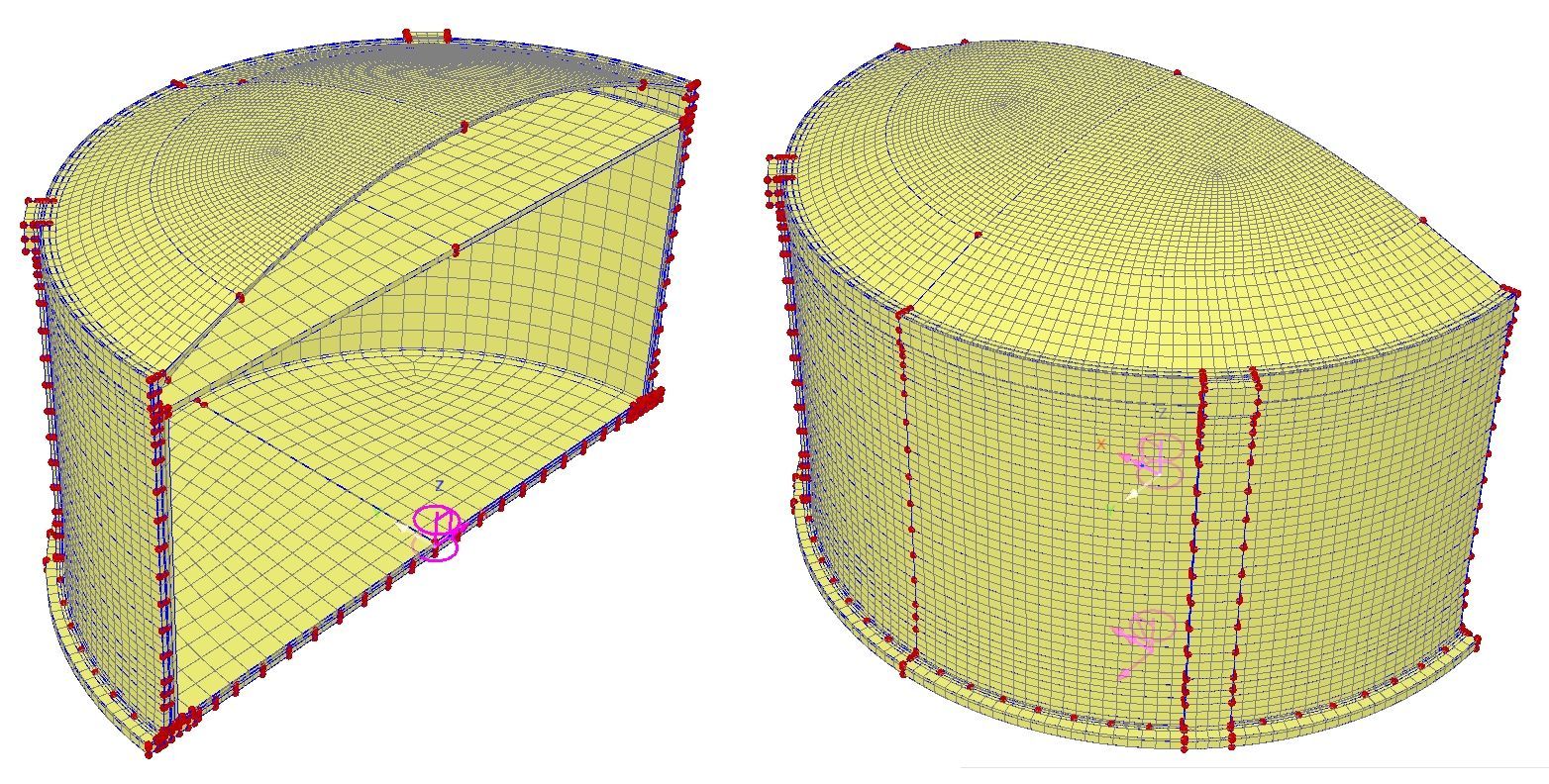
New Concrete (Membrane) Tank Option
Now available in the Concrete Tank Definition dialog, the new Concrete (Membrane) tank type enables advanced modelling where the liquid load is fully transferred through a membrane to the outer concrete wall.
Perfect for projects requiring realistic simulation of tanks with no inner structural layer independence.
Enhanced Liquid Mass Distribution for Beam Stick Models
- Horizontal beam stick models now automatically distribute liquid masses in line with ASCE 4-16:2017 standards, ensuring compliance and consistency.
- Vertical beam stick models have been redefined for greater accuracy — with individual mass components (inner tank, flexible liquid mass, and rigid liquid mass) now separately modelled and intelligently connected to the main structure via horizontal rigid beams.
Smarter Seismic Loading Integration
The updated Add Seismic Loading dialog now fully supports concrete membrane tanks. Liquid-induced moments can be automatically calculated, along with impulsive and convective liquid mass heights, giving you seamless, data-driven setup for seismic design.